Acrylic Mediums for Painting Photorealism
This is Page 2 of a 15-page guide explaining how to paint photorealistically.
Acrylic mediums will be your best friend when making a photorealistic painting. If you want to learn how to paint photorealism in acrylics, then you will absolutely need to get some acrylic mediums. They're very important because acrylics dry so quickly, which can make it difficult to create the subtle blending effects that are so essential in photorealist painting.
However, no need to fret, because there are a variety of acrylic mediums that, when mixed with acrylic paint, alter certain characteristics of the paint. The following two acrylic mediums are basically paint thinners that extend the drying time of the acrylics, making it easier to blend colors and to glaze. I highly recommend using at least one of these two acrylic mediums when painting photorealistically:
I've provided links below to the relevant products so that you can easily find them on Blick Art Materials, my favorite online art supplier. I'm a member of Blick's affiliate program, which means if you make a purchase after clicking on one of these links, I'll receive a small commission (at no extra cost to you).
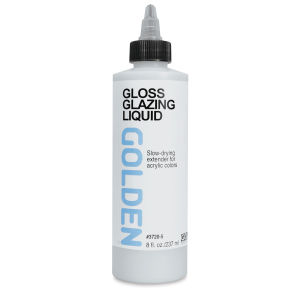
This is the medium I use most frequently in my photorealist paintings. In fact, I wouldn't attempt a photorealist painting without it! As the name suggests, this is a glazing liquid that you can mix with the acrylic paints on the palette. A tiny amount goes a long way, so you don't need to squeeze out too much. Basically, when mixed with acrylic paint, the glazing liquid makes it possible to create thin acrylic glazes. I'll go more in-depth on the use of this later.
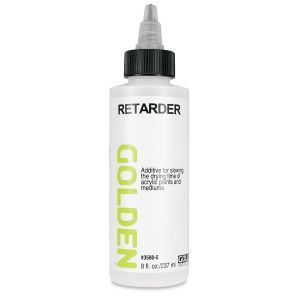
This is another product I have used in the past with much success, although ever since discovering the Glazing Liquid, I have to admit I don't use the Retarder as much. They are used in pretty much the same way: you squeeze out a small amount (not a lot) of the retarder onto your palette, and mix it with the paint. This extends the drying time of the paint, increasing workability. Perhaps the main difference between Retarder and Glazing Liquid is that Glazing Liquid is specifically designed for the use of creating glazes (which are very important in photorealist painting), whereas Retarder is specifically created for extending the drying time of paint.
In conclusion, you can probably achieve pretty much the same effect with both of these mediums, considering I used the Retarder for years before discovering the Glazing Liquid. But if you have to choose between the two, I would recommend the Glazing Liquid.

Read More
Read a current and historical overview of Photorealist painting techniques and methods. It is beneficial to familiarize yourself with this information before you embark on your own journey to create photorealistic paintings.
Familiarize yourself with the Photorealist art movement by reading my overview of Photorealism.
Check out some of these excellent books on Photorealism and Photorealist artists.
The books below are available on Amazon. As an Amazon Associate I earn from qualifying purchases.
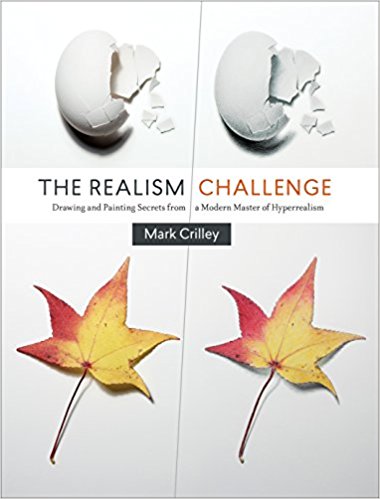
The Realism Challenge
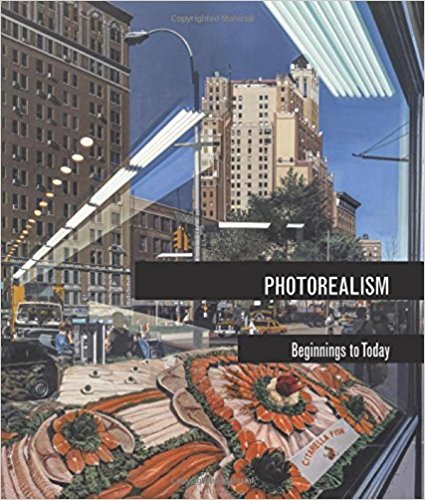
Photorealism

Hyper Real