Mixing Colors
color tips for photorealist painting
This is Page 12 of a 15-page guide explaining how to paint photorealistically.
So far in this guide on How to Paint Photorealism, we've discussed art supplies and methods for transferring the reference photo. We've started the actual painting process by discussing the concept of underpainting. What comes next?
Now that you've finished the underpainting, all the pencil lines should be covered up. You've laid down a solid foundation upon which you will build your painting. Your task now is to continue observing the details in the photo and replicating them on your canvas. This is the time to put in all those in-between colors, highlights and shadows, so that the paint starts to blend and the objects look more 2-dimensional.
mixing colors:
If you make a purchase via the Blick links below I receive a small commission, at no extra cost to you.
I work on a small scale with tons of detail, so I use a very tiny brush. You can see the size of the brush I use on the right. The painting is 6" x 6", and was painted entirely with this brush.
Because I use such a small brush, I don't squeeze out tons of paint at a time. The amount I squeeze onto the palette is typically smaller that a US dime (17.91mm). The color I squeeze out most is Titanium White, because it gets a lot of use.
I also don't squeeze out a lot of Glazing Liquid at a time - dime-sized usually does it! A tiny dab of Glazing Liquid goes a long way.

When mixing colors, I use tiny swirls of paint mixed with glazing liquid and a bit of water. It is very important to keep the paints wet and workable. Always mix enough paint so that when you are done using that specific color, there is enough left that you can add other colors to make the shadows and highlights.
Blending in photorealism is done by mixing the colors on the palette in this way. As you can see in the picture below, all the mixed colors on my palette are related in some way, such as going from a light lavendar to a dark violet. In general, it's always better to mix more than you will need, because it can be difficult remembering which concoction of colors made that one specific color!

In the photo above, you can see what my palette looks like as I'm working. As I started this painting of a chocolate Easter bunny, I focused on the black, purple and pink elements first, so I only squeezed out the relevant colors. I keep the colors quite close to each other on the palette, which makes mixing colors much easier. I mix them in a quick, swirly fashion. If you look closely, you can see how watery and thin these color mixes are. You can actually see the palette through the little swirls of paint.
When painting an area where I want solid color, I load up the paint on the brush. When painting an area that I want to glaze, I make sure the paint is a lot thinner and more watery on the brush. We'll learn more about glazes in the next lesson!
In general, don't apply the paint too thickly or heavily when you are trying to acheive Photorealism. One aim of Photorealism is to replicate the smooth surface of a photo... therefore keep your paints thinned!
color tips:
Shadows - We automatically reach for the black paint whenever we want to paint a shadow. But remember - a little black paint goes a long way! Use it sparingly, and when you do, mix in a dab of raw umber or burnt umber to tone down the harshness of the black and make it look a bit more natural. Pure black from the tube has an artificial quality to it that you usually want to avoid.
Also examine your reference photo for hints of other colors in the shadows. It's these other colors that add a wonderful richness to the shadow. For instance, sometimes there's a soft umber glow, if the shadow falls on a wooden tabletop. Or there could be a slight bluish tinge to the shadow. If you see these other hues in the shadow, you will want to add these subtle colors to the shadow as translucent glazes.
Highlights - You will mostly use titanium white and/or titanium buff to create highlights. Sometimes the titanium buff creates a highlight that is subtle and looks more natural than titanium white, although it depends on the object you are depicting.
Titanium Buff - As mentioned previously, titanium buff is excellent for lightening a color while making it look more "natural". If you decide to use titanium buff instead of titanium white, note that titanium buff also adds a very slight yellow-ish tinge. So test it first to make sure that's what you want!
Raw Umber / Burnt Umber - These colors are great for "toning down" other colors - meaning if you've got a color that is really bright and looks rather artificial (like Permanent Rose), you can add raw umber to give the color a more natural feel. Raw umber is more subtle than burnt umber. Both are good for creating subtly darker shades that make an excellent transition to a darker shadow.
Color Palette - These are the main colors I use for my paintings:
titanium white *lime greentitanium buff *chromium oxide greencadmium yellow medium *phthalo green *cadmium orangephthalo blue *cadmium red lightprussian bluecadmium red medium *raw siennared oxideburnt sienna *permanent roseraw umber *alizarin crimson *burnt umberprism violetivory black *dioxazine purple *I put a * next to the colors that I use most often in my photorealist paintings. These are pretty much the basic colors you will want to have on hand.
Choose any other colors based on the visual content of your reference photo. You will find that you probably don't need a huge range of colors, because you can usually mix the colors that you need. If you've tried and you can't mix a certain color that you need for a painting, then it's time to go out and buy a new tube of color!

The more you paint, the more you will become familiar with the properties of each color and know what to expect when mixing colors. Learning which colors to use is a process of trial and error, which is another reason why it's best to only squeeze out small amounts of painting each time.
In the picture of my palette above, you can see how some of the little swirls of color are very similar to one another. They seem to flow naturally into one another. This is because I'm constantly adding colors and adjusting them until I get a mix that is just right.

The books below are available on Amazon. As an Amazon Associate I earn from qualifying purchases.
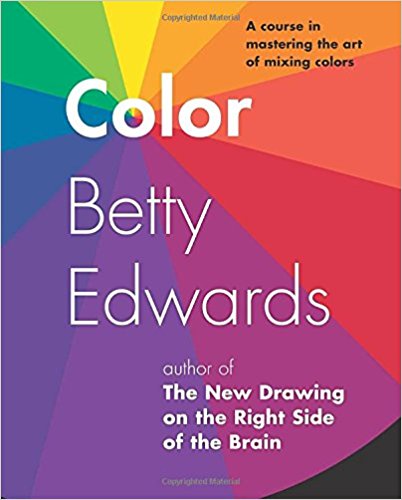
Color by Betty Edwards: A Course in Mastering the Art of Mixing Colors
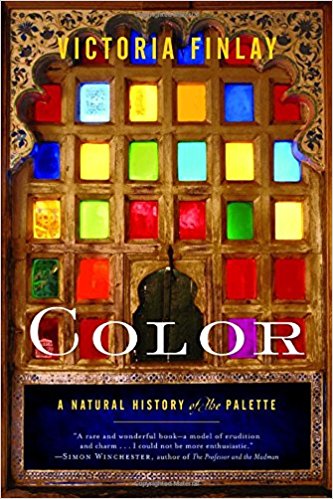
Color: A Natural History of the Palette
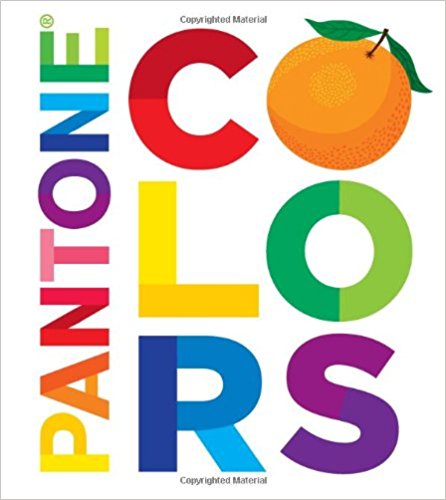
Pantone: Colors